A breaker that trips repeatedly on the same appliance is telling you something, and resetting it again to test is the wrong response.
A breaker that trips repeatedly on the same appliance is telling you something, and resetting it again to test is the wrong response. Note when the trip happens, stop using the appliance, and ask for diagnosis; if the trip is immediate even with the appliance idle, the circuit itself may need an electrician.
A breaker is a protective device, not an inconvenience to be defeated. If the same appliance trips the circuit repeatedly under normal use, the repeated trip is part of the symptom. A trip that repeats is information, not a nuisance.
Note whether the trip is immediate or happens during a specific heating, pump or motor stage. Disconnect the appliance from use until the cause is evaluated. Check only external factors such as a wet area or obvious damaged cord if safe to do so. These steps are useful because they are external, reversible and give you information without turning a symptom into an unsafe DIY repair.
A breaker that holds after one reset may still deserve attention if the event repeats. Timing helps: a range that trips during oven preheat suggests a different path from an induction cooktop that trips as soon as a zone is activated.
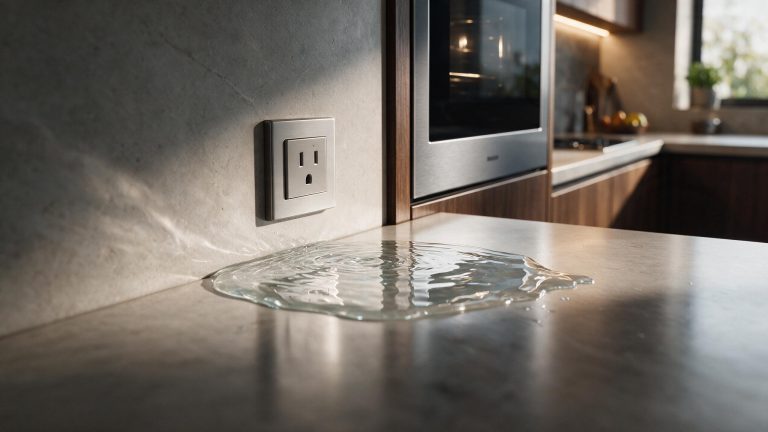
The moment a breaker trips narrows the field. A trip as soon as the appliance is switched on suggests a different path than one that happens only during a heating stage, a pump start or motor start. A trip that occurs only after water has been involved calls for an extra level of caution, and the appliance should stay off.
Use that timing when you describe the problem. Whether the trip comes from the appliance or the branch circuit is not something you can settle with repeated resets, and a repeated reset gives the fault more chances to cause damage.
A good troubleshooting note includes the exact model, what the appliance was doing when the symptom appeared, whether the condition is constant or intermittent, and any display code. Changing several settings at once makes the pattern harder to interpret, so make one safe change at a time and record the result.
The purpose of these checks is not to prove which internal component has failed. It is to remove simple operating conditions and give the technician a cleaner starting point. If the symptom returns after the normal manual-approved checks, the next step should be diagnosis rather than repeated resets or improvised disassembly.
| Symptom | What it can point to | What you can check |
|---|---|---|
| Trips as soon as the appliance is switched on | An internal fault or a circuit problem | Leave it off and ask for diagnosis |
| Trips during oven preheat | A heating-stage fault | Stop using the oven and note when it trips |
| Trips when a zone on an induction cooktop is activated | Zone-level electronics | Stop using that zone and book |
| Trips when the dishwasher pump starts | A pump or motor stage, possibly with water | Stop and book; keep the cord clear of any water |
| Appliance dead but breaker looks normal | A power supply issue, which manuals list among checks | Check the cord and the breaker without forcing anything |
Do not increase breaker size, bypass a GFCI or continue resetting the circuit for testing. Internal appliance faults need safe diagnosis, and problems in the branch circuit may require an electrician.
If the appliance is leaking near electricity, smells of gas or burning insulation, sparks, overheats abnormally, or repeatedly trips a breaker, stop using it. Safety symptoms take priority over completing a cycle or protecting food.
Not every dead appliance means a trip. The range manual for one model lists igniters that do not work as pointing to a tripped circuit, a blown fuse or a range not connected to power, and the dishwasher manual lists a blown fuse among the reasons a program does not start. These are normal checks, and they stay on the outside of the appliance.
The refrigerator manual for one model also says the unit should be plugged into a grounded socket and should not be on a GFCI-protected outlet. If a refrigerator keeps tripping a protective device, ask an electrician about the circuit rather than moving the plug elsewhere. The dishwasher manual’s F1 overflow code is a separate case: unplug, close the water tap and call service.
Continue with Electrical Warning Signs Every Kitchen Should Take Seriously for the closest next step. Also see Water Near an Outlet: The One Situation That Overrides Every Other Rule when the symptom overlaps with that system.
Schedule service when the symptom is repeatable after the safe checks, when a model-specific error returns, or when the next diagnostic step requires internal electrical, gas, sealed-refrigeration or built-in extraction work. The service request should include the model number, the exact symptom, the checks already completed and any photo of the display that helps document the condition.
Should I keep resetting the appliance if it works for a while afterward?
No. One documented reset can clear a temporary control state, but a fault that returns should be diagnosed rather than repeatedly cleared.
Should I order a part before the technician arrives?
Usually not. Similar symptoms can come from different causes, and an unnecessary part can cost more than the time saved. Confirm the failed component first.
What should I send with the booking request?
Send the model number, a concise description of the symptom, any error code, when the issue started and the result of the safe checks above.
Is a single breaker trip an emergency?
A single trip with no smell, heat or water is a reason to watch, not to panic. A trip that repeats under normal use is part of the symptom, so stop using the appliance.
Can the circuit be the problem instead of the appliance?
Yes. Problems in the branch circuit can trip a breaker, and the article’s advice is to involve an electrician in that case.
Can I move the appliance to another outlet to test it?
Not as a test. The manual for one refrigerator model says to use a grounded socket not protected by a GFCI, so check your manual and ask a professional.
Author: Julian Reed — Appliance Care & Technical Review
—
Safe gas habits come down to keeping removable parts clean and seated, turning a burner off if it does not light, holding the knob…
Homeowner checks are the ones your manual documents: settings, removable filters, visible hoses, cool burner caps, thermometer readings and a single reset.
If water has reached an outlet, plug, power strip or the base of an appliance, stop troubleshooting and keep away from it.
Share a few details and we’ll confirm an appointment. Prefer to talk? Call us and we’ll help right away.
Use the secure scheduler below to request your appointment.