There is no single correct descaling interval, because hardness, water use and any softener or filter in the home all change how fast minerals build up.
There is no single correct descaling interval, because hardness, water use and any softener or filter in the home all change how fast minerals build up. Find your hardness first, set the appliance accordingly, and follow only the descaling procedure approved for the model.
There is no single perfect descaling interval for every kitchen. Mineral buildup depends on local water hardness, how much water the appliance uses and whether the home has treatment or filtration. Set the appliance’s hardness value from a real measurement, not an assumption.
Set the appliance water-hardness value accurately when the model supports it. Use only the approved descaling product and procedure. Track the last maintenance date instead of guessing from memory. These steps are useful because they are external, reversible and give you information without turning a symptom into an unsafe DIY repair.
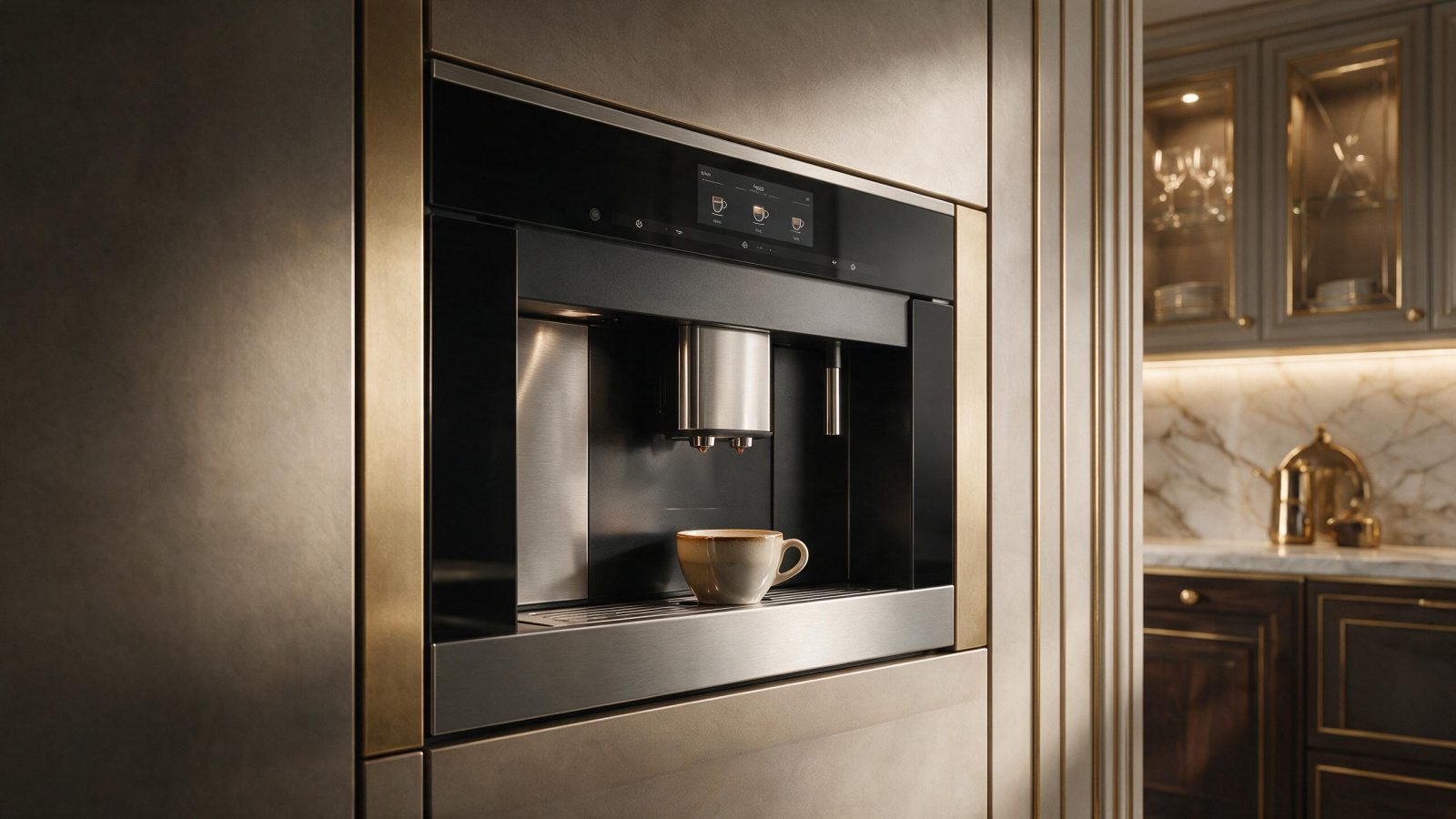
Hard water can narrow coffee-machine water paths and contribute to film or deposits in dishwashers. Homes with a softener may need a different maintenance rhythm from nearby homes on untreated municipal water. Utility data or a basic hardness test is more useful than copying another household’s schedule.
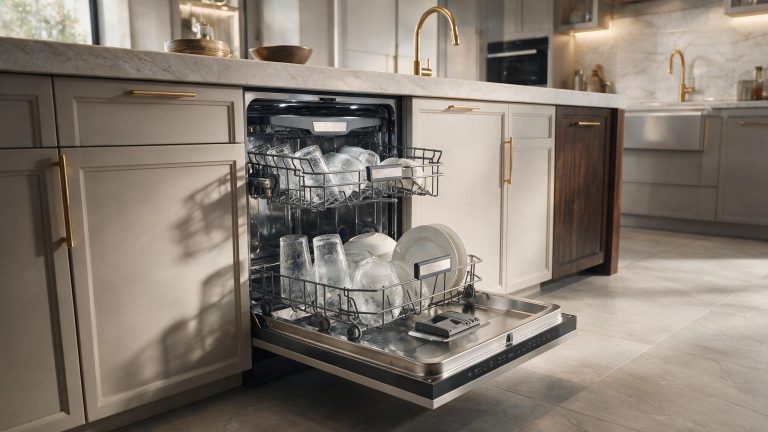
The dishwasher manual for one Bertazzoni 24-inch model lists hard water among the causes of whitish stains and says water above 5 gpg needs softening. It also lists rinse aid or softener set too low and a loose salt cap, so a hard-water symptom can be a settings issue as much as a supply issue.
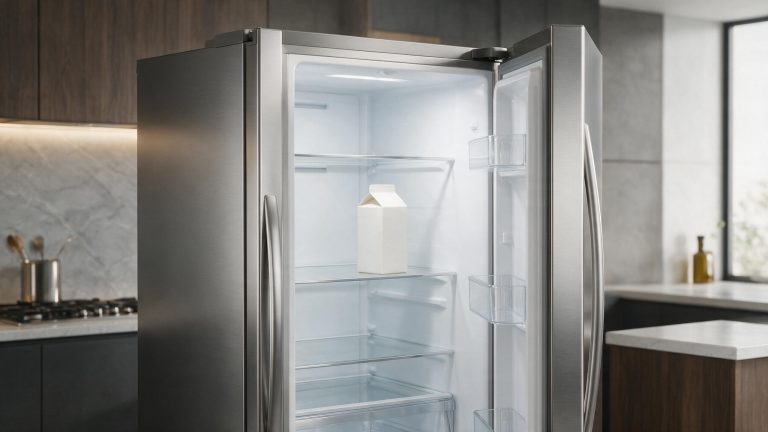
The refrigerator manual for one model describes a water filter on a 180-day interval and a water plug that replaces the filter on a centralized treatment system. A home with treated water may therefore see a different pattern from one on untreated supply, which is the article’s point about not copying another household’s schedule.
A good troubleshooting note includes the exact model, what the appliance was doing when the symptom appeared, whether the condition is constant or intermittent, and any display code. Changing several settings at once makes the pattern harder to interpret, so make one safe change at a time and record the result.
The purpose of these checks is not to prove which internal component has failed. It is to remove simple operating conditions and give the technician a cleaner starting point. If the symptom returns after the normal manual-approved checks, the next step should be diagnosis rather than repeated resets or improvised disassembly.
| Symptom | What it can point to | What you can check |
|---|---|---|
| Whitish film on glassware or the tub | Hard water or low rinse-aid or softener settings | Check hardness and the settings, then compare a clean load |
| Film that seems worse after adding more detergent | Too much detergent | Reduce toward the manual’s guidance |
| Slow flow or weak output from a water path | Scale, but also a blocked filter or supply issue | Follow the approved descaling procedure and check the filter |
| Filter reminder flashing on the refrigerator | The 180-day interval has passed | Replace the filter and reset as the manual describes |
| Symptoms persist after the correct maintenance cycle | A cause beyond scale | Schedule diagnosis |
Do not assume vinegar or another household acid is a safe universal substitute. If performance remains poor after the correct maintenance cycle, the issue may no longer be scale alone.
If the appliance is leaking near electricity, smells of gas or burning insulation, sparks, overheats abnormally, or repeatedly trips a breaker, stop using it. Safety symptoms take priority over completing a cycle or protecting food.
A hardness figure from your water utility report or a simple test strip is more reliable than a neighbor’s habit. Once you have it, compare it with the 5 gpg threshold in the dishwasher manual and set the appliance’s hardness value accordingly if the model supports it.
Keep a short log of descaling dates alongside the filter changes. It turns later symptoms into information: if film returns soon after a full maintenance cycle, scale is probably not the whole story. That is the moment to stop adding descaler and ask for a diagnosis, not to try stronger products.
Continue with Morning Espresso Interrupted? Check These Before Assuming the Worst for the closest next step. Also see The Cloudy Glass Problem Usually Comes Down to This Filter when the symptom overlaps with that system.
Schedule service when the symptom is repeatable after the safe checks, when a model-specific error returns, or when the next diagnostic step requires internal electrical, gas, sealed-refrigeration or built-in extraction work. The service request should include the model number, the exact symptom, the checks already completed and any photo of the display that helps document the condition.
Should I keep resetting the appliance if it works for a while afterward?
No. One documented reset can clear a temporary control state, but a fault that returns should be diagnosed rather than repeatedly cleared.
Should I order a part before the technician arrives?
Usually not. Similar symptoms can come from different causes, and an unnecessary part can cost more than the time saved. Confirm the failed component first.
What should I send with the booking request?
Send the model number, a concise description of the symptom, any error code, when the issue started and the result of the safe checks above.
How do I find my water hardness?
A hardness test strip or your water utility’s report will give you a figure. Compare it with the threshold in your appliance manual, which for one Bertazzoni dishwasher is 5 gpg.
Does a water softener change how often I should descale?
It can, because a softener changes the water the appliance sees. Use your own hardness figure and the manual’s guidance rather than a neighbor’s schedule.
What does gpg mean in a dishwasher manual?
It stands for grains per gallon, a common way of stating water hardness. The manual for one Bertazzoni dishwasher says water above 5 gpg needs softening.
Author: Julian Reed — Appliance Care & Technical Review
—
For a built-in refrigerator, coil and seal care means a clean, evenly sealing gasket and clear air paths, with condenser cleaning limited to what…
Cloudy glassware can come from removable film or from permanent etching, and the filter is a good first step because a dirty one can…
A seasonal routine works best when it follows the intervals your manuals already give: filters and spray arms, condenser areas, water filters, hood filters…
Share a few details and we’ll confirm an appointment. Prefer to talk? Call us and we’ll help right away.
Use the secure scheduler below to request your appointment.